Using Digital Displays to Enhance User Interaction with Proportional Valve Drivers
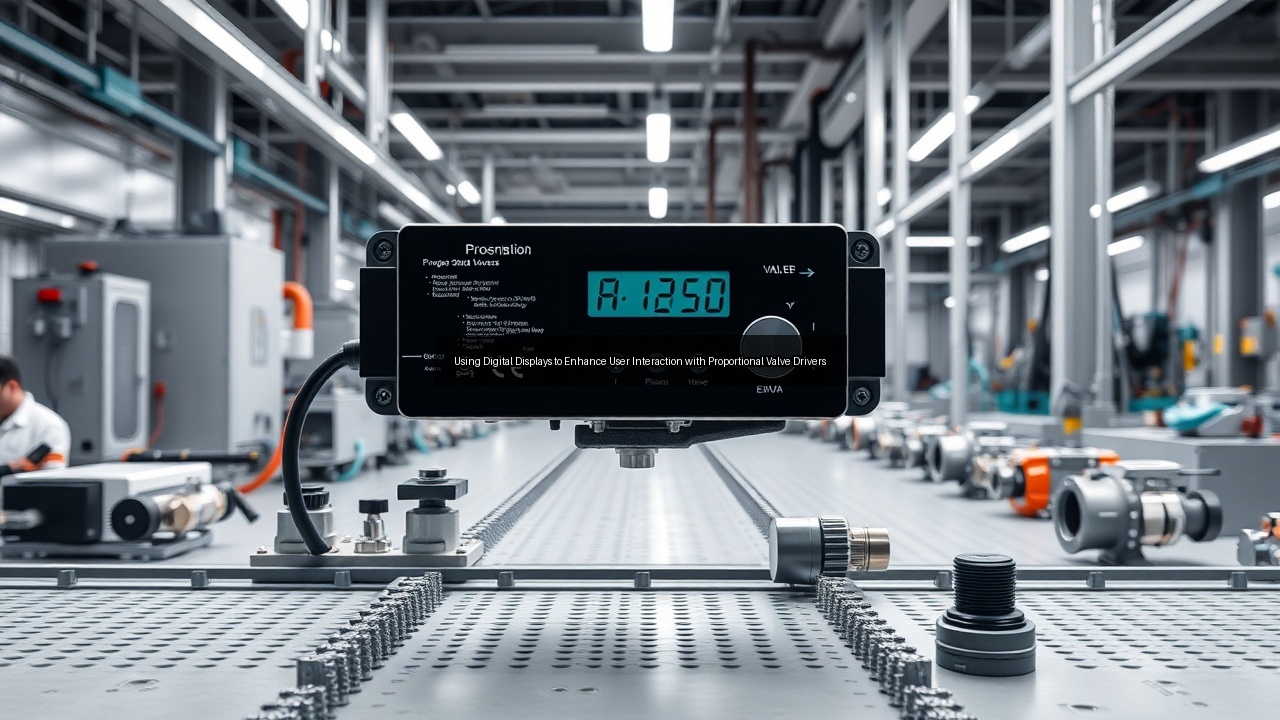
The Role of Digital Displays in Proportional Valve Drivers
Understanding Proportional Valve Drivers
Proportional valve drivers play a crucial role in hydraulic systems by controlling the flow of fluid through valves with precision. Unlike traditional valves that operate in an on/off manner, proportional valve drivers allow for variable positioning based on electrical signals. This functionality results in smoother operation and more efficient use of power, which is essential for applications requiring fine control such as robotics, automotive systems, and industrial machinery. The ability to modulate flow and pressure enhances overall system performance and adaptability, making these drivers invaluable in modern engineering.
Importance of User Interface in Hydraulic Systems
The user interface (UI) serves as the bridge between operators and the hydraulic systems they manage. A well-designed interface significantly impacts efficiency and ease of use. Operators rely on clear, real-time feedback to make informed decisions regarding system adjustments. Digital displays, with their ability to present complex data visually, enhance this interaction. They allow users to monitor performance metrics, such as pressure and flow rate, instantly. This immediate access to information reduces the potential for errors, increases responsiveness, and ultimately leads to improved operational safety and efficiency.
Digital Displays vs. Traditional Interfaces
Digital displays offer distinct advantages over traditional analog interfaces in proportional valve drivers. Traditional interfaces, often limited to simple gauges or dials, can obscure critical information and make system monitoring cumbersome. Digital displays, on the other hand, can convey extensive data through graphs, charts, and numerical readouts. They enable operators to visualize trends over time, facilitating proactive maintenance and adjustments. Features like customizable layouts and multi-language support further enhance user engagement, making digital displays the preferred choice for modern hydraulic systems. The transition to digital interfaces marks a significant advancement in user interaction, leading to more informed decision-making and improved system performance.
Key Components of Proportional Valve Electronics
Exploring the Functionality of the Coil and Solenoid
The coil and solenoid function as the heart of a proportional valve driver, converting electrical energy into mechanical movement. When voltage is applied to the coil, it generates a magnetic field that moves the solenoid. This movement adjusts the position of the valve, thereby controlling fluid flow. The efficiency of this process relies on the precise design and materials used in the coil and solenoid. High-quality components minimize energy loss and maximize responsiveness, which is vital in applications requiring rapid adjustments. Understanding the interplay between coil and solenoid helps engineers optimize the performance of hydraulic systems, ensuring they operate smoothly under varying conditions.
The Integration of H-Bridge and Amplifiers
H-Bridge circuits play a pivotal role in controlling the direction and speed of the solenoid in proportional valve drivers. By switching the polarity of the voltage applied to the solenoid, these circuits allow for precise control over the valve's position. Amplifiers further enhance this functionality by ensuring that the signal strength is adequate to drive the solenoid effectively. This integration of H-Bridge technology and amplifiers provides the necessary power and versatility needed for advanced proportional control. Engineers can fine-tune the system to respond accurately to various input signals, which is crucial for applications demanding high precision and reliability.
Using Potentiometers for Fine Control
Potentiometers serve as essential components in proportional valve electronics, offering a means for fine-tuning the control signal. By varying resistance, potentiometers adjust the voltage sent to the valve driver, allowing for precise manipulation of the valve's opening. This capability is particularly beneficial in applications where minute adjustments can have significant impacts, such as in aerospace or automotive systems. Incorporating potentiometers into the control strategy not only enhances the responsiveness of the system but also contributes to overall operational efficiency. Their ability to provide real-time feedback ensures that the system can adapt dynamically to changing conditions, thus improving performance outcomes.
Enhancing Communication and Interaction
Utilizing USB and NFC Technologies
USB (Universal Serial Bus) and Near Field Communication (NFC) technologies have revolutionized the way proportional valve drivers communicate and interact with users. USB ports allow for easy connections to computers and other devices, enabling quick data transfer and system updates. This ease of connectivity enhances user experience by allowing operators to configure settings and troubleshoot issues efficiently. NFC takes this a step further by enabling wireless interactions between devices. Operators can use smartphones or tablets to access real-time data and control systems, eliminating the need for dedicated interfaces. This seamless integration of technology fosters a more responsive and user-friendly environment in hydraulic systems.
The Benefits of SAE J1939 for Data Transmission
SAE J1939 is a robust communication protocol widely used in heavy-duty vehicles and industrial equipment, including hydraulic systems. This protocol standardizes data transmission between electronic devices, ensuring compatibility and reliability. For proportional valve drivers, adopting SAE J1939 enables efficient communication of critical parameters such as pressure, flow rate, and voltage. The protocol supports a multi-node network, allowing multiple devices to share information simultaneously. As a result, operators gain a comprehensive view of system performance, facilitating timely interventions and maintenance. The standardization provided by SAE J1939 streamlines operations and enhances overall system reliability, making it a vital component in modern hydraulic systems.
Near Field Communication: A Game Changer for Valve Control
Near Field Communication (NFC) technology significantly enhances user interaction with proportional valve drivers. This wireless communication method allows for quick and secure data exchanges between devices within a short range. In practical terms, operators can use NFC-enabled devices to configure settings, monitor system performance, and perform diagnostics without needing physical connections or specialized tools. This convenience improves operational efficiency and minimizes downtime. As NFC technology continues to evolve, its integration into hydraulic systems promises to further streamline processes, allowing for more intuitive control and monitoring of proportional valve drivers. This advancement positions NFC as a transformative force in the realm of valve control.
Practical Applications and Future Trends
Integration with DIN Rail Systems
DIN rail systems provide a standardized method for mounting electronic components, including proportional valve drivers, in industrial settings. The compact design of DIN rail mounts facilitates organized installations and simplifies maintenance. By integrating digital displays and driver electronics onto DIN rail systems, manufacturers promote easier access and improved serviceability. This setup not only enhances the aesthetic organization of control systems but also streamlines wiring and connectivity, reducing installation time. As industries continue to embrace automation and smart technology, the integration of proportional valve drivers with DIN rail systems will likely become more prevalent, leading to enhanced efficiency and reduced operational costs.
Case Studies: Axiomatic and Atos Solutions
Leading companies like Axiomatic and Atos have demonstrated the potential of advanced proportional valve driver technologies in real-world applications. Axiomatic's solutions integrate digital displays with their proportional control valve drivers, providing users with intuitive interfaces for monitoring and adjustments. Their innovative approach streamlines user interactions and enhances system performance. Similarly, Atos has developed systems that utilize advanced communication protocols and digital displays to optimize hydraulic applications across various industries, including agriculture and manufacturing. These case studies illustrate the growing trend of leveraging technology to improve user engagement and operational efficiency in hydraulic systems.
Future Innovations in Digital Displays for User Engagement
The future of digital displays in proportional valve drivers looks promising, with continuous advancements in technology driving innovation. Emerging trends include the integration of augmented reality (AR) and artificial intelligence (AI) to enhance user interaction further. AR can overlay critical data onto the physical environment, providing operators with real-time insights while they work. AI algorithms could analyze performance data to predict maintenance needs, allowing for preemptive actions that minimize downtime. As these technologies develop, digital displays will not only serve as information hubs but also as proactive partners in managing hydraulic systems. The evolution of user engagement will redefine how operators interact with proportional valve drivers, paving the way for smarter, more efficient industrial processes.