The Essential Role of Gaskets and Stoppers in Pulp and Paper Production
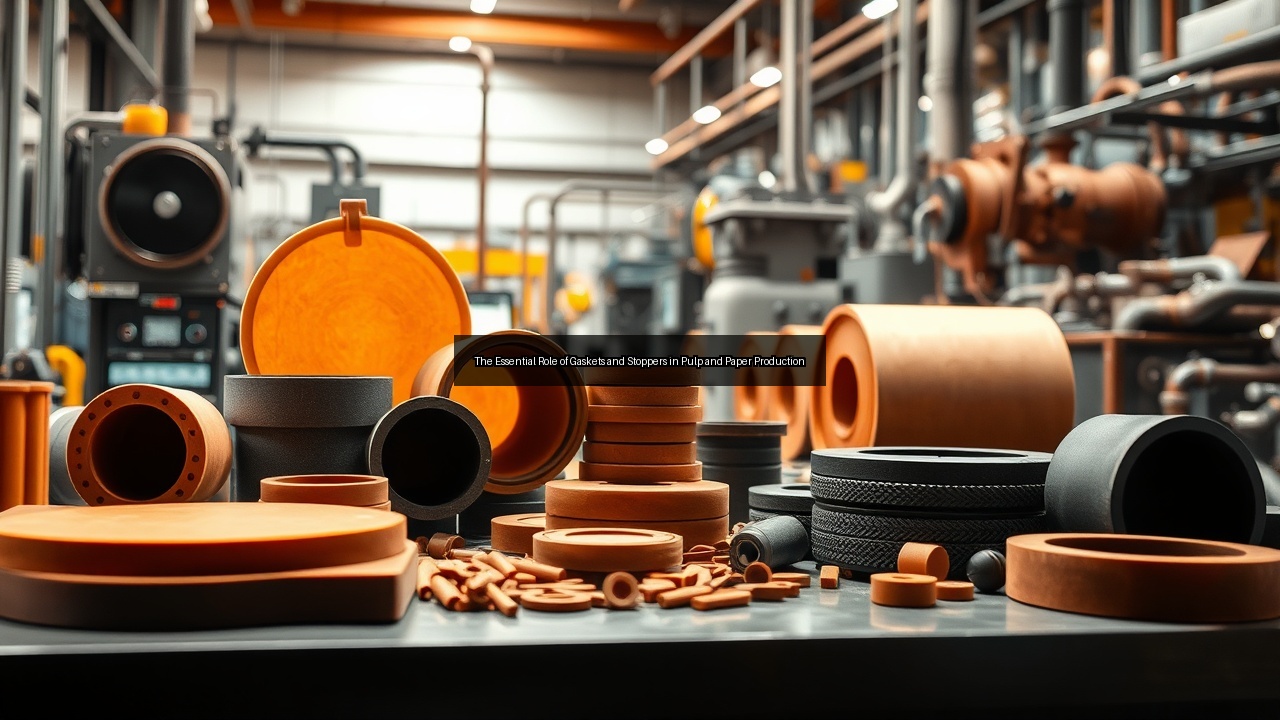
Understanding the Importance of Gaskets and Stoppers in Pulp and Paper Production
The Role of Gaskets in Maintaining Efficiency
Gaskets serve as critical components in pulp and paper production, ensuring efficient operation across various machinery. These rubber products provide a seal between different parts of equipment, preventing leaks that could compromise both safety and efficiency. In a production environment where water and chemicals interact with machinery, gaskets play an essential role in maintaining pressure and preventing contamination. A well-functioning gasket reduces the risk of downtime, which can significantly impact production output.
Manufacturers rely on high-quality gaskets to withstand the rigors of continuous operation. Natural rubber is often pulp and paper industry rubber products used for its elasticity and resilience, but synthetic options like EPDM (ethylene propylene diene monomer rubber) are also prevalent due to their superior resistance to chemicals and harsh environmental conditions. This chemical resistance is particularly vital in pulp and paper production, where various corrosive substances are common.
In addition to their sealing capabilities, gaskets also contribute to energy efficiency. By minimizing leaks, they help maintain optimal temperatures and pressures, reducing the energy required for processes like drying and bleaching. This efficiency not only lowers operational costs but also supports sustainable practices within the pulp and paper industry. As the demand for eco-friendly production increases, manufacturers must prioritize the use of reliable gaskets that enhance both performance and environmental responsibility.
How Stoppers Ensure Quality Control
Stoppers play a pivotal role in quality control during pulp and paper production. These rubber products are essential for sealing containers and machinery, preventing contamination that could lead to defects in the final product. By ensuring that substances remain uncontaminated, stoppers allow manufacturers to maintain the integrity of pulp and paper products. In an industry where quality is paramount, the use of effective stoppers can make a significant difference.
Moreover, stoppers facilitate the accurate measurement of chemicals and additives used in the production process. A precise seal allows for consistent dosing, which is crucial in achieving desired paper qualities. Variations in chemical concentrations can lead to inconsistencies in the final product, affecting strength, brightness, and other critical attributes. Stoppers, therefore, not only ensure safety but also contribute to the predictable quality of pulp and paper.
In addition to their functional benefits, stoppers also streamline operations. By improving the reliability of equipment and reducing the likelihood of spills, they enhance workplace safety. This focus on safety is increasingly important as regulatory standards tighten across industries, including pulp and paper. Manufacturers that prioritize high-quality stoppers demonstrate a commitment to both product excellence and employee well-being, reinforcing their reputation in the market.
Types of Rubber Products Used in the Pulp and Paper Industry
Natural Rubber vs. Synthetic Rubber: A Comparative Analysis
The choice between natural rubber and synthetic rubber products significantly impacts the efficiency and durability of machinery in the pulp and paper industry. Natural rubber, derived from latex, offers excellent elasticity and tensile strength. These properties make it a suitable choice for applications requiring flexibility and resilience. However, natural rubber's susceptibility to wear and degradation from exposure to chemicals and environmental conditions can limit its lifespan in harsh production environments.
On the other hand, synthetic rubber products, such as EPDM, provide superior resistance to chemicals and UV radiation. EPDM is particularly favored for its ability to withstand extreme temperatures and harsh conditions, making it a preferred choice in applications involving steam and other high-pressure processes. By selecting the appropriate rubber type, manufacturers can optimize performance and reduce maintenance costs associated with wear and tear.
In the pulp and paper industry, the choice between natural and synthetic rubber often hinges on the specific requirements of the application. For gaskets and stoppers that encounter aggressive chemicals, synthetic options like EPDM typically outperform natural rubber. However, for applications where flexibility and lower material costs are prioritized, natural rubber may still find its place. Understanding the strengths and weaknesses of each type allows manufacturers to make informed decisions that enhance operational efficiency and product quality.
EPDM: The Preferred Choice for Chemical Resistance
EPDM has emerged as a leading material for rubber products in the pulp and paper industry due to its exceptional chemical resistance properties. Ethylene propylene diene monomer rubber withstands exposure to a wide range of chemicals, making it ideal for environments where caustic substances are prevalent. This durability extends the lifespan of gaskets and stoppers, reducing the frequency of replacements and minimizing downtime.
The manufacturing processes of pulp and paper often involve harsh chemicals for bleaching and processing. EPDM's resistance to these substances ensures that seals remain intact, preventing leaks that could lead to contamination. Additionally, EPDM retains its flexibility and elasticity over a broad temperature range, ensuring reliable performance in both hot and cold conditions. This versatility makes it a top choice for applications involving steam, water, and various chemical mixtures.
Furthermore, EPDM's resistance to ozone and UV light enhances its longevity when exposed to outdoor elements, reducing the risk of premature failure. Manufacturers that prioritize EPDM for their rubber products benefit from lower maintenance costs and improved operational efficiency. As the pulp and paper industry continues to evolve, the demand for high-performance materials like EPDM will likely increase, driving innovation and enhancing product quality.
The Versatility of Stoppers and Gaskets in Production Processes
Stoppers and gaskets are versatile rubber products that find applications across various stages of pulp and paper production. Their adaptability allows manufacturers to integrate them seamlessly into different processes, from raw material handling to final product packaging. This versatility ensures that production runs smoothly, minimizing interruptions and maximizing output.
In raw material handling, gaskets create airtight seals that prevent contamination and moisture loss, ensuring that materials retain their quality before processing. During the pulping phase, stoppers are vital for controlling chemical reactions and preventing spills, which can lead to environmental hazards. In the drying and finishing stages, gaskets maintain pressure and temperature, critical factors for achieving the desired paper characteristics.
Moreover, the ability to customize stoppers and gaskets for specific applications enhances their utility. Manufacturers can tailor materials, shapes, and sizes to meet the unique requirements of their equipment and production processes. This customization ensures optimal performance, allowing for greater flexibility in operations and reducing the risk of equipment failure.
Challenges and Innovations in Rubber Product Applications
Addressing Wear and Tear in Gaskets and Stoppers
Wear and tear represent significant challenges for rubber products, particularly in the demanding environment of pulp and paper production. Continuous exposure to moisture, chemicals, and mechanical stress can degrade the integrity of gaskets and stoppers over time. This degradation not only affects performance but can also lead to costly downtime and maintenance. Manufacturers must actively address these challenges to ensure consistent operation and product quality.
One innovative approach involves the development of advanced rubber compounds that enhance durability and resistance to wear. By incorporating additives that improve strength and flexibility, manufacturers can produce gaskets and stoppers that withstand harsher conditions. Additionally, regular maintenance and monitoring of rubber products can identify early signs of wear, allowing for timely replacements before rubber products for paper industry failures occur.
Another strategy involves utilizing technology to improve the performance of rubber products. For instance, advancements in material science have led to the creation of hybrid materials that combine the best properties of natural and synthetic rubber. These innovations aim to extend the lifespan of gaskets and stoppers, providing manufacturers with reliable solutions that minimize operational disruptions.
Innovative Solutions for Vacuum Sealing in Pulp Production
Vacuum sealing plays a crucial role in various processes within the pulp production cycle, particularly in drying and packaging. Innovative rubber product designs enhance the effectiveness of vacuum sealing, ensuring that equipment operates at optimal levels. High-quality gaskets and stoppers that can withstand vacuum conditions are essential for maintaining the integrity of the sealing process.
Manufacturers increasingly explore the use of specialized rubber materials that offer superior sealing capabilities under vacuum conditions. These advancements ensure that vacuum systems operate efficiently, reducing the risk of leaks that could compromise drying processes. Innovations in sealing technology also include the use of smart monitoring systems that track the performance of vacuum seals, allowing for proactive maintenance and minimizing downtime.
Furthermore, the development of modular sealing solutions allows for greater flexibility in equipment design and maintenance. By using interchangeable gasket and stopper systems, manufacturers can quickly adapt to changes in production processes or equipment configurations. This ability to pivot in response to operational needs enhances overall efficiency and productivity, making vacuum sealing an even more vital aspect of pulp and paper production.
See Also
- How Rubber Products Enhance Chemical Resistance in the Paper Industry
- Vacuum Seals Made from Rubber for Efficient Paper Processing
- Enhancing Durability with Rubber Products in the Paper Industry
- Exploring the Lifecycle of Rubber in Pulp and Paper Operations
- Sustainable Rubber Products Driving Eco-Friendly Practices in Paper Production