Bridging the Gap Between Design and Production with Custom Molding Solutions
Understanding Custom Plastic Injection Molding
Overview of Injection Molding Process
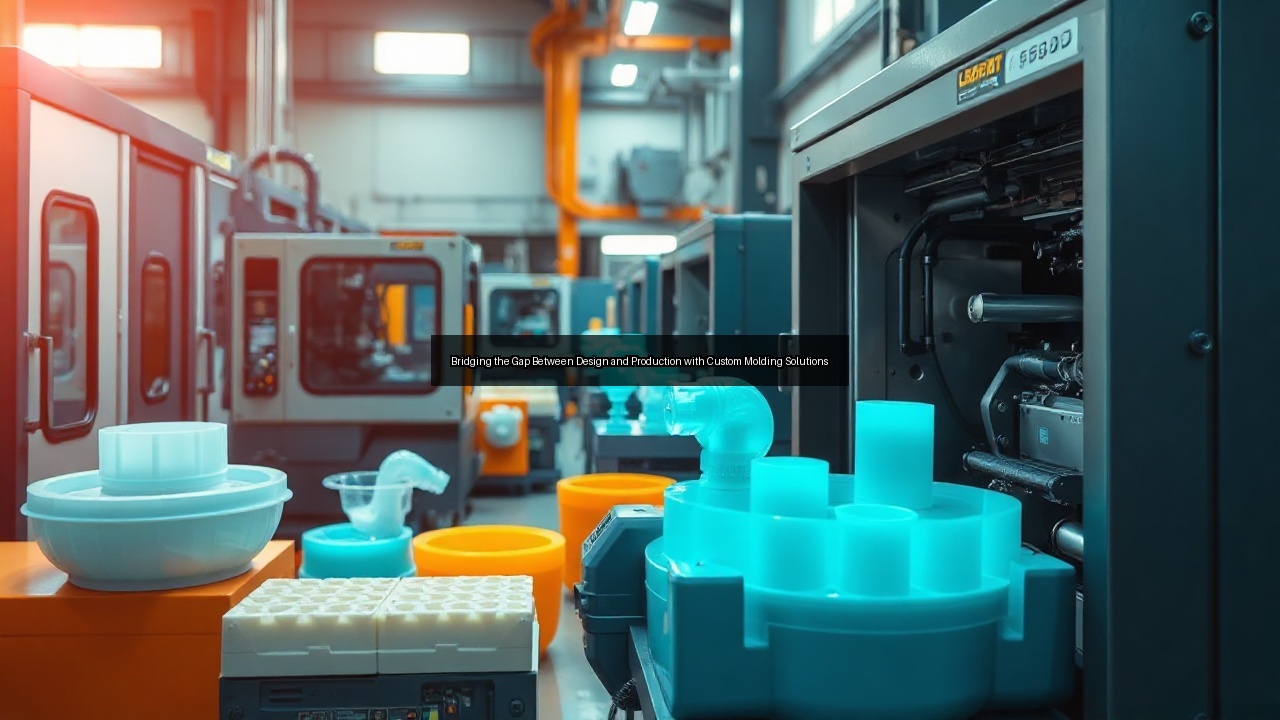
Custom plastic injection molding serves as a cornerstone in manufacturing, particularly for producing intricate designs in mass quantities. This process involves melting plastic resin, injecting it into a mold, and allowing it to cool and solidify. The efficiency of injection molding lies in its ability to create complex shapes with high precision and repeatability. Manufacturers can produce thousands of identical parts within a short timeframe. The initial step requires the creation of an injection mold, a tool crafted to shape the molten plastic. Once the mold is ready, the process moves quickly, minimizing downtime and maximizing output. As a result, businesses leverage custom plastic injection molding to meet diverse production needs, from automotive components to consumer electronics.
Types of Molding Techniques
Several molding techniques exist within the realm of custom plastic injection molding, each tailored for specific applications. Standard injection molding remains the most widely used method, ideal for high-volume production runs. Variations such as overmolding and insert molding expand the design capabilities of manufacturers. Overmolding involves layering materials, often combining rigid and flexible plastics to enhance functionality and aesthetics. Insert molding, on the other hand, integrates metal parts or other components directly into the plastic, creating a robust final product. Each of these techniques offers unique advantages, allowing designers to push boundaries and innovate while ensuring that manufacturing processes remain efficient and cost-effective.
Key Materials Used in Plastic Injection
The choice of material significantly impacts the quality and performance of injection molded products. Commonly used materials include thermoplastics such as ABS, polycarbonate, and polypropylene, each offering distinct properties. ABS provides strength and impact resistance, while polycarbonate excels in transparency and heat resistance. Liquid silicone rubber (LSR) also gains popularity for applications requiring flexibility and durability. Moreover, selecting the right material involves considering factors such as cost, mechanical properties, and the end-use environment. Understanding these materials' characteristics helps designers and manufacturers create custom plastic parts that meet stringent performance criteria while remaining economically viable.
Innovative Solutions in Design and Production
The Role of 3D Printing in Custom Molding
3D printing revolutionizes the landscape of custom manufacturing by enabling rapid prototyping and design iteration. This technology allows designers to create detailed prototypes quickly, facilitating testing and validation before committing to the expensive injection mold process. By utilizing 3D printing, businesses can explore multiple design variations, helping to refine aesthetics and functionality. Furthermore, 3D printing reduces lead times, allowing companies to respond swiftly to market demands. It complements traditional injection molding by providing a flexible approach to developing custom parts and molds, making it an invaluable tool in the modern manufacturing toolkit.
Exploring Overmolding and Insert Molding
Overmolding and insert molding represent innovative techniques that enhance product functionality and design. Overmolding combines two different materials within a single manufacturing process, allowing for products that offer better grip, shock absorption, or aesthetic appeal. For instance, a hard plastic base can be overmolded with a soft rubber material, creating a handle that is both durable and comfortable to hold. Insert molding integrates pre-made components, such as metal inserts, into the plastic part during the injection process. This method not only reduces assembly time but also strengthens the final product. Both techniques enable designers to create advanced features within their custom plastic injection molding projects.
Surface Finishes and Their Impact on Aesthetics
Surface finishes play a crucial role in the aesthetic appeal and functionality of injection molded parts. Various finishes, such as gloss, matte, or textured surfaces, can greatly influence a product's marketability. Techniques like laser engraving can add intricate designs or branding directly onto the molded surface, enhancing visual appeal and personalization. Additionally, surface finishes can improve the product's durability, resistance to wear, and ease of cleaning. Designers must carefully consider these aspects during the design phase to ensure that the final product not only meets functional requirements but also captivates consumers with its visual impact.
Navigating Challenges in Custom Manufacturing
Cost Considerations in Injection Mold Manufacturing
Cost management remains a critical aspect of custom plastic injection molding. The initial investment in creating injection molds can be significant, particularly for complex designs requiring precise tolerances. Factors such as mold material, design complexity, and expected production volume influence pricing. While high-quality molds lead to better production efficiency and lower per-unit costs, companies must balance upfront costs against long-term savings. Understanding these financial dynamics helps businesses make informed decisions, ensuring they choose the most suitable approach for their specific needs while maintaining profitability throughout the manufacturing process.
Importance of ISO 9001 Certification
ISO 9001 certification stands as a hallmark of quality management in the manufacturing sector, particularly within custom plastic injection molding. This certification demonstrates a company’s commitment to maintaining consistent quality across its processes and products. For manufacturers, ISO 9001 fosters trust among clients and partners, assuring them that the production process adheres to internationally recognized standards. Furthermore, implementing ISO 9001 principles can streamline operations, reduce waste, and enhance overall efficiency. Companies pursuing custom manufacturing should prioritize ISO 9001 certification to elevate their credibility and ensure high standards in their injection molding services.
Tools and Techniques for Precision: CNC Machining and EDM
Precision tools and techniques, such as CNC machining and Electrical Discharge Machining (EDM), play pivotal roles in the custom injection molding process. CNC machining allows manufacturers to create intricate mold components with high accuracy, ensuring that the final molds meet exact specifications. This process reduces errors and enhances the quality of injection molded parts. EDM, on the other hand, excels in creating complex geometries that might otherwise be challenging to achieve through traditional machining methods. Both techniques enable manufacturers to produce high-quality molds that bridge the gap between design and production effectively, resulting in superior custom plastic parts.
Bridging Design and Production: Best Practices
Prototyping for Effective Design Validation
Prototyping serves as an essential step in validating designs before transitioning to mass production. By creating prototypes, designers can assess the functionality, aesthetics, and overall fit of the product. This iterative process allows for adjustments and refinements based on real-world testing, ensuring that the final design aligns with the intended vision. Rapid prototyping techniques, including 3D printing, enable quick feedback loops, reducing the risk of costly design flaws in the production phase. Emphasizing prototyping not only enhances product quality but also accelerates the time to market, providing a competitive edge for businesses in the custom plastic injection molding industry.
Inspection and Quality Control Measures
Implementing robust inspection and quality control measures is vital in custom plastic injection molding. Regular inspections throughout the manufacturing process ensure that components meet specified tolerances and quality standards. Utilizing tools like coordinate measuring machines (CMM) and automated inspection systems can enhance accuracy in detecting defects. Establishing a quality management framework aligned with ISO 9001 principles further strengthens product reliability. These practices not only help maintain consistency but also foster a culture of quality within manufacturing operations, leading to higher customer satisfaction and reduced returns.
Integrating Laser Engraving and Threaded Inserts into Designs
Integrating advanced features like laser engraving and threaded inserts into designs enhances both functionality and aesthetics in custom plastic injection molding. Laser engraving allows for precise markings, logos, or patterns on molded surfaces, providing branding opportunities and customization. Threaded inserts enable the secure attachment of components, improving the overall strength and usability of the final product. These integrations require careful planning during the design phase to ensure compatibility with the injection molding process. By leveraging these innovative techniques, manufacturers can create products that not only meet functional requirements but also stand out in a competitive market.
See Also
- Unlocking the Secrets of Custom Plastic Injection Molding for Innovative Product Design
- The Art of Surface Finishes in Custom Plastic Injection Molding
- From Prototypes to Production How Custom Injection Molding Transforms Manufacturing Efficiency
- How to Choose the Right Material for Your Custom Injection Molding Project